
Human Resource Management (HRM) is the function that supports companies in handling their staff most efficiently. It covers everything from attracting the right talent to saving employees, solving issues, building a good workplace, and, overall, shaping organizational success. The basics of human resource management are about ensuring that people are valued, supported, and aligned with business objectives.
As companies grow, they cannot do without structured HR practices. Knowing the principles of human resource management helps leaders create workplaces that are fair, productive, and people-first. The employee principles guide how people are hired, trained, managed, and rewarded. As such, they act as a lever to the entire employee lifecycle.
Nowadays, with tools such as WeekMate HRMS, companies can implement these HR practices effectively and precisely.
What Are the Fundamentals of Human Resource Management?
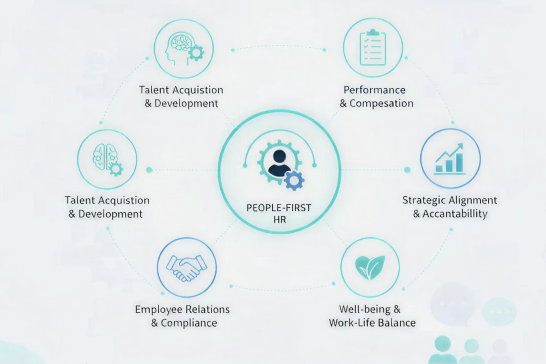
The fundamentals of human resource management are the primary elements that define how the HR department functions. These HRM fundamentals cover the handling of the people in the company, which is divided into major areas, such as:
- Talent acquisition
- Training and development
- Performance management
- Compensation and benefits
- Workforce planning
- Employee relations and compliance
Particularly, these Core HRM concepts serve as the basis for institutions to recruit the best candidates, nurture them, assess their performance, and keep them engaged through the creation of effective employee policies. HR goes beyond administration and serves as a business growth engine.
The basics also serve as the platform for wider principles of HRM. Without a deep understanding of recruitment, employee development, and office relations, it would be tough to implement HR principles at the right level.
Core Principles of Human Resource Management
Recognition of the principles of human resource management is essential, as they underpin every HR decision. In line with the fundamentals of human resource management, these guidelines ensure that organizations establish solid, people-centred approaches.
The essential HRM principles that any company has to abide by:
1. Fairness and Equity
Each employee is entitled to equal treatment, opportunity for personal development, and, of course, respect. Fair HR practices are the main drivers of D&I and thus help to create trust.
2. Transparency and Communication
One of the keys to a successful organization is an open communication process between all involved parties. This makes everything clear, eliminating the chance for misunderstandings, and a collaborative culture results. All this has a direct impact on organizational culture, enhancing employee satisfaction.
3. Employee Development and Empowerment
Employee training and development programs serve as a platform for skill enhancement, which in turn facilitates employee growth. Empowerment gives employees a sense of ownership, which, in turn, increases overall productivity and motivation.
4. Performance and Accountability
Helping employees have a clear understanding of what is expected of them and providing constructive feedback is the way to keep them working towards organizational goals. An efficient performance management system is the primary vehicle for accountability and recognition.
5. Strategic Alignment
The functions of HR, its policies, and strategies must support the business goals. The reason companies get along well with a long-term strategy is that HR initiatives align with it. This allows businesses to build a strong talent pool that is ready for the future.
6. Legal and Ethical Compliance
The role of HR in this respect is to implement labor laws and workplace ethics, and to ensure compliance with safety regulations. Thus, it safeguards both the staff and the employer.
7. Employee Well-being
The promotion of work-life balance, employee health, and the provision of well-being programs all benefit employee engagement and retention, too.
By applying these principles of HRM, leaders can build transparent, ethical, and growth-oriented workplaces. One can implement these ideas with the help of instruments such as WeekMate HRMS, which automates procedures, supports performance reviews, and centralizes HR data.
Why the Principles and Fundamentals of HRM Matter?
The importance of HRM principles lies in their ability to create high-performing teams. Those organizations that follow these principles:
- Become more productive
- Clients of the company feel trust, and that is why the loyalty of employees also increases
- Turnover goes down
- Employee engagement improves
- Working together becomes a natural way
In the real world, companies that emphasize HRM principles usually experience a positive organizational culture and stronger retention. For instance, through investments in training, feedback, and recognition programs, companies can boost not only employee morale but also overall results.
There is a very strong link between the fundamentals of human resource management and the principles: the fundamentals guide the processes, whereas the principles address behavior and approach. These two together lead to continuous workforce development.
Challenges in Applying the Principles of Human Resource Management
Situation with the best intentions in place, organizations may still have to deal with challenges such as:
- Resource-strained by either a limited budget or a short-handed HR team
- Highly traditional mindset and a reluctance to change
- Lack of knowledge or training in this area
- HR department with antiquated strategies and policies
- Communication that is far from excellent or fragmented systems
In overcoming these obstacles, the management should be working towards tiny but continuous victories. One may take the example of digital innovations such as WeekMate HRMS: by investing in such a solution, the organization simplifies not only its compliance but also its processes, and at the same time ensures transparency, making it easier to apply the principles of HRM.
The Shift Toward Tech-Driven, People-Focused HR
The changes in workplaces today are a direct result of globalization, hybrid work, and digital transformation. Therefore, the basis of human resource management has changed significantly and now goes beyond administrative work.
Some of the new HRM fundamentals are:
- HR decisions are now based on analytics
- Digital onboarding and performance tools
- Automated workflows
- Employee-centric practices
Technology is a very important factor in this case. HR solutions such as WeekMate HRMS enable organizations to automate routine work, enhance accuracy, and make HR more strategic. With this digital shift, HR teams can focus more on people and less on manual work.
Conclusion: Creating a People-First Organization
Grasping the principles of human resource management and knowing the fundamentals of human resource management are the keys to having strong, healthy workplaces. The businesses that combine good ground with clear HRM principles foster an environment where workers recognize, encourage, and drive themselves.
The fundamentals of human resource management are still evolving, but the aim remains the same – to manage people effectively and appropriately while contributing to business growth. It doesn’t matter if your organization is big or small; it is the right moment to improve your HR practices and build a people-first culture.
Innovative solutions like WeekMate HRMS empower companies to simplify HR operations and maintain compliance with these principles.
FAQs
1. What are the main principles of Human Resource Management?
The main principles of HRM include inclusiveness, strong communication, strategic alignment, employee development, responsibility and accountability, legal compliance, and ensuring overall employee well-being.
2. Why are the principles of HRM important for organizations?
Implementing these principles leads to increased productivity, higher trust, enhanced employee engagement, better retention, and improved overall organizational effectiveness.
3. What are the fundamentals of Human Resource Management?
The fundamentals of HRM include recruitment and selection, employee training and development, performance management, compensation and benefits, workforce planning, and maintaining healthy employee relations.
4. How do the basics of Human Resource Management differ from HRM principles?
The basics describe the core functions that HR is responsible for, while HRM principles explain how HR should operate—ethically, strategically, transparently, and with a focus on people.